Tips for Hiring Masonry Contractors
Locating the Top Masonry Contractor: Quality Work for Your Home's Foundation
Finding the best masonry contractor is crucial for guaranteeing the stability of a home's foundation. A contractor's qualifications, expertise, and communication approach serve important roles in the hiring process. Homeowners must consider various factors before making a decision. Grasping these considerations can assist in avoiding costly oversights. What criteria should take precedence when reviewing prospective candidates? You may find the answers quite eye-opening.
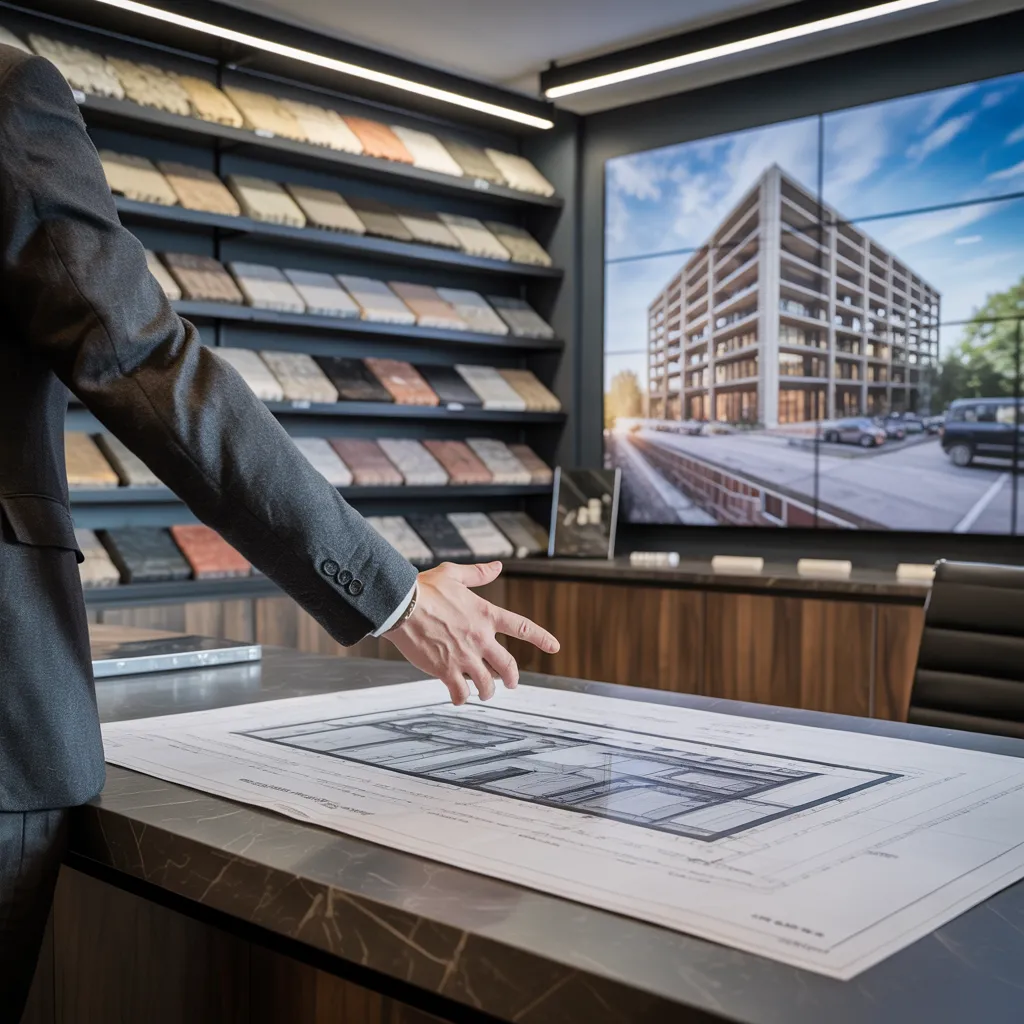
What Qualifications Should Your Masonry Contractor Possess?
When selecting a masonry contractor, it is crucial to evaluate their background to guarantee quality workmanship. A skilled contractor should possess proper licensing and insurance, which protects both the homeowner and the contractor in case of accidents or damages. Credentials from established trade associations can also indicate a contractor's skill and dedication to industry standards. Experience in the field is another key consideration; a experienced contractor is likely to have a portfolio showcasing successful projects. Reviews and references from previous clients provide understanding of the contractor's reliability and quality of work. Additionally, a solid understanding of building codes and regulations confirms that all work adheres to established regulations. By carefully reviewing these credentials, homeowners can arrive at knowledgeable choices, ensuring that their masonry project is finished with outstanding workmanship.
Which Types of Masonry Work Are Important to Know?
Which masonry services are most frequently requested? Homeowners often require a variety of masonry services to enhance structural integrity and aesthetic appeal. One prevalent type is brickwork, utilized for walls, patios, and walkways, offering durability and visual charm. Stonework is equally in demand, making it an excellent choice for designing refined features including fireplaces and retaining walls. Concrete masonry has grown in popularity for foundations and structural components, offering exceptional strength and adaptability.
Furthermore, tuckpointing and repointing are vital for preserving the structural integrity of existing brick or stone buildings by repairing mortar joints. Decorative masonry work, including archways and garden features, can also enhance outdoor spaces. Finally, masonry repair services are critical for tackling wear and damage, guaranteeing long-lasting results. Understanding these various types of masonry work helps homeowners make informed decisions when selecting a contractor for their specific needs.
Essential Questions to Ask Your Masonry Contractor
When selecting a masonry contractor, it is critical to look into their qualifications and experience. Being aware of the associated costs and project timeline is equally important for proper planning. These key questions can help secure a positive result and productive partnership.
Professional Experience and Credentials
A experienced masonry contractor can greatly influence the quality and durability of a construction endeavor. When hiring a contractor, it is critical to ask about their qualifications and experience. Key questions include how long they have been in the field of masonry, whether they hold any applicable certifications, and if they have handled projects similar to yours. Potential clients should also request references to assess past work quality and reliability. Additionally, being aware of the contractor's safety practices and compliance with local building codes is necessary. By carefully assessing these credentials, homeowners can guarantee they select a contractor who demonstrates the essential knowledge to deliver a solid and enduring foundation.
Project Timeline and Costs
Understanding the project schedule and pricing is crucial for homeowners considering masonry work. Homeowners are encouraged to ask about the estimated duration for completion, as this can differ depending on the complexity of the project and contractor scheduling. Additionally, talking about potential setbacks from weather-related issues or material unavailability is important for setting realistic expectations.
Pricing transparency is just as crucial. Homeowners should ask for a detailed estimate that includes labor, materials, and any additional fees. Clarifying payment schedules and financing options can also help in budget planning. Moreover, understanding warranty coverage for both materials and workmanship can provide peace of mind. By tackling these important concerns, property owners can arrive at educated choices and secure a more efficient masonry experience.
How to Check a Contractor's Experience?
Evaluating a contractor's expertise is essential for ensuring quality work. This may be accomplished by confirming relevant certifications, assessing prior assignments, and asking for trade references. Each of these steps delivers clarity about the contractor's competence and trustworthiness.
Confirm Pertinent Certifications
What steps can one take to confirm that a masonry contractor has the required credentials? Confirming applicable certifications is vital to this evaluation. A professional masonry contractor should hold licenses and credentials that reflect their expertise and adherence to industry standards. Future clients should consider obtaining copies of these materials, verifying that they are up to date and legitimate. Additionally, they should check with local licensing boards or trade associations to confirm the contractor's credentials. Certifications from recognized organizations can indicate specialized training and commitment to quality. It is also beneficial to inquire about continuing education efforts, as this reflects a contractor's dedication to staying updated with the latest techniques and materials. At the core, validated certifications serve as a testament to a contractor's expertise and professional standards.
Explore Prior Projects
While evaluating a masonry contractor's background, examining previous work is crucial. This assessment provides insight into the contractor's craftsmanship and ability to handle a range of masonry projects. Prospective clients should examine a portfolio displaying finished projects, paying attention to craftsmanship, design choices, and materials selected. It proves helpful to seek out projects resembling the desired outcome, as this indicates the contractor's familiarity with unique construction requirements. Customer reviews linked to these projects can also shed light on the contractor's trustworthiness and expertise. Additionally, visiting completed sites, where practical, permits a personal evaluation of the contractor's craftsmanship. Overall, a thorough review of past projects helps in determining whether the contractor can meet the homeowner's expectations and project requirements effectively.
Request Industry References
One of the most effective ways to gauge a masonry contractor's experience is by seeking industry references? Engaging with previous clients can provide insight into the contractor's work ethic, reliability, and quality of craftsmanship. A wise approach is to request a comprehensive list of references and contact them directly. Question them about their overall satisfaction with completed work, timeliness, and the level of communication maintained throughout. Additionally, examining how the contractor handles challenges can reveal their problem-solving abilities. Potential clients would benefit from contacting suppliers and other masonry professionals, as they can share valuable perspectives on the contractor's standing and expertise. These questions will help secure a well-informed decision when it comes to selecting the most suitable masonry contractor.
How to Evaluate Quotes and Select the Best Choice
When assessing quotes from masonry specialists, you should consider essential factors that can considerably influence both project quality and budget. First, it is essential to thoroughly analyze the details of each quote, confirming they contain all necessary materials, labor, and timelines. A reduced bid may appear attractive but could compromise quality or lead to hidden costs.
As a next step, assess the professional's experience and expertise with similar projects. This helps gauge their dependability and capacity to provide satisfactory results. In addition, determine if the proposals feature warranties or guarantees, which can demonstrate their assurance in delivering quality results.
Finally, communication style cannot be underestimated; a professional contractor who is clear and prompt can create a more positive project outcome. By thoughtfully considering these aspects, homeowners can reach well-considered conclusions and choose the masonry professional that ideally meets their preferences and standards.
Indicators of a Trustworthy Masonry Contractor
A trustworthy masonry contractor exhibits a blend of experience, professionalism, and effective communication abilities. One of the clearest indicators is a solid portfolio featuring completed projects, which demonstrates their skill and dedication to quality. In addition, a reliable contractor will offer references from previous clients, allowing potential customers to gauge satisfaction levels.
Certifications and licenses remain critical signs of trustworthiness, as they confirm compliance with industry requirements and guidelines. In addition, a reliable contractor will provide clear and detailed estimates, outlining expenses and project schedules, fostering trust with clients. Open communication is fundamental; a professional contractor addresses client concerns and delivers regular progress updates during the project.
Finally, an emphasis on employing superior materials shows dedication to durable outcomes. By recognizing these indicators, residents can wisely identify a masonry contractor who will guarantee quality work for their home's foundation.
Questions We Frequently Receive
How Much Time Does Masonry Work Usually Take to Finish?
Masonry projects generally require anywhere from a few days to several weeks, depending on project complexity, size, and weather conditions. Factors find this resource such as design intricacy and materials selected may also considerably affect the project's overall completion timeline.
What Warranties Can I Expect From My Masonry Contractor?
Commonly, a established masonry contractor presents warranties ranging from one to ten years, covering workmanship and materials. Property owners should thoroughly examine these warranties, confirming they are informed about what is covered and any limitations that apply.
Is a Permit Necessary for Masonry Projects?
Yes, permits are often required for masonry work, particularly for structural changes or new constructions. Requirements change based on your location, so consulting local building authorities or the contractor ensures adherence to all necessary legal requirements.
In What Ways Do Weather Conditions Affect Masonry Work?
Weather factors considerably affect masonry work. Low temperatures may delay the curing process, while extreme heat can lead to accelerated drying. Rain can compromise structural integrity, requiring thorough planning and precise timing to guarantee ideal results during construction.
What Ongoing Maintenance Is Required for Masonry After Installation?
Masonry needs consistent care including cleaning, sealing joints, and inspecting for cracks or damage. Promptly addressing moisture issues and maintaining proper drainage will considerably lengthen the structure's lifespan while maintaining its aesthetic appeal.